
All Project
Browse the complete archive from the markdown notes. Filters still follow the previous logic, but the list, years, contribution states, and tags are now generated directly from note frontmatter.
Biosyntax Vanguard
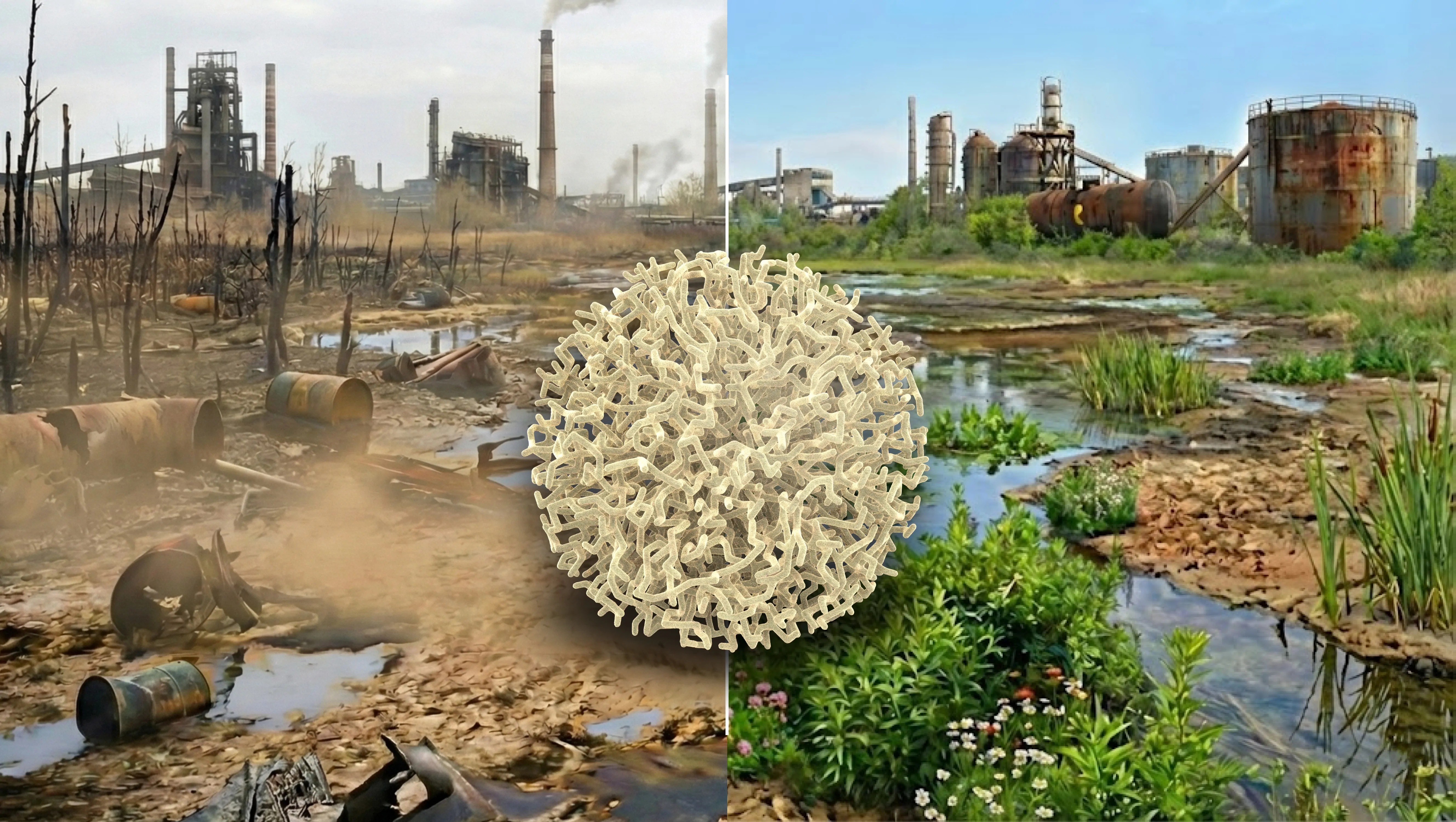
Biosyntax Vanguard utilizes wind-driven, DLA-generated tumbleweeds as programmable physical logic gates. The stimuli-responsive shell encapsulates a quiescent bio-payload, degrading only upon contact with specific pollutants (e.g., low pH, hydrocarbons). This triggers the precise release of microbes for in-situ metabolic remediation, ultimately decomposing for trace-free Ecological Restoration.
VoluBridge
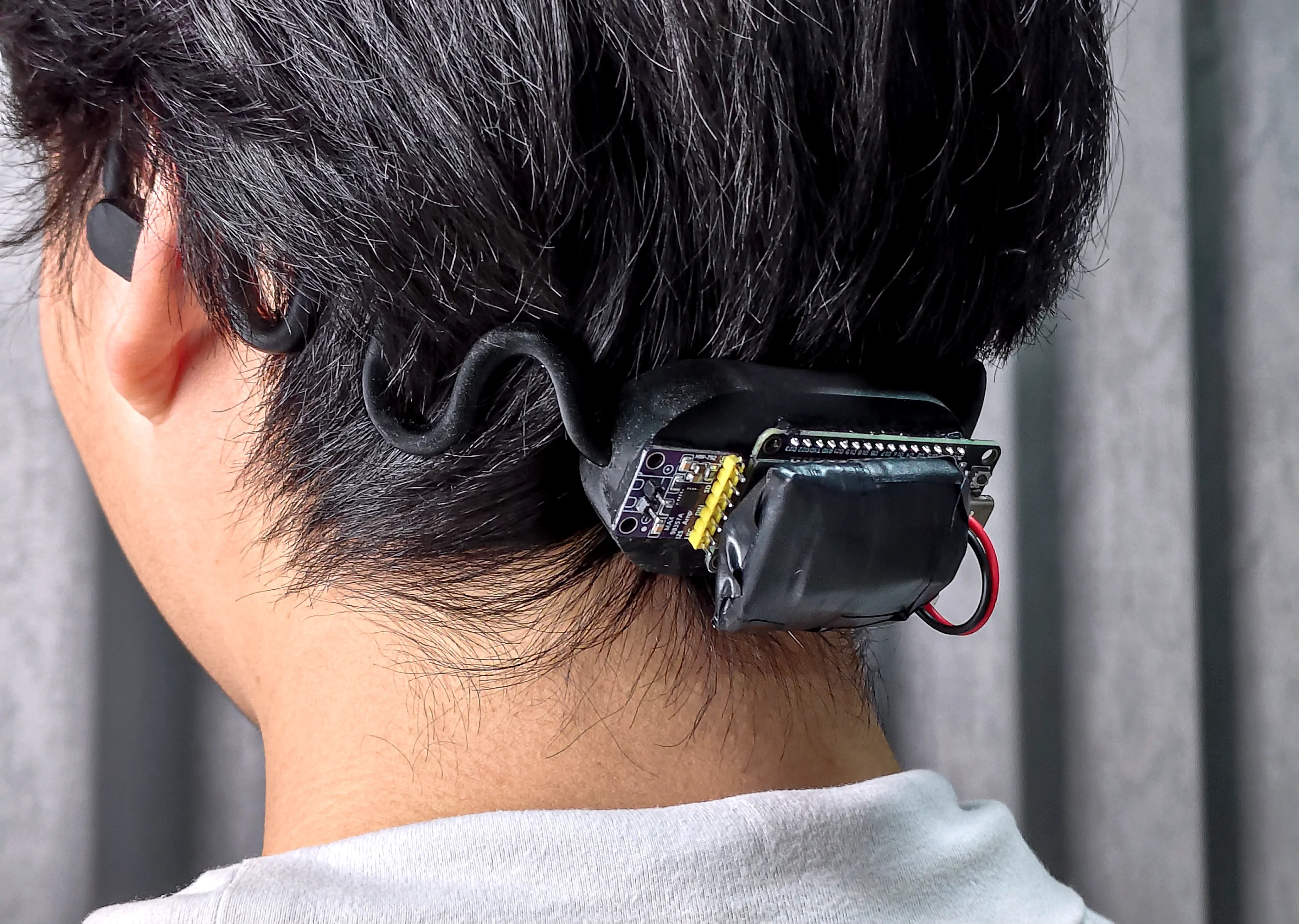
Despite significant advances in the personal fabrication of flexible interactive devices, it remains challenging to simultaneously achieve geometric complexity, robust circuit integration, and mechanical performance, including deformability and load-bearing capacity. Existing rigid solutions lack conformability and kinematic freedom, while soft electronics (e.g., silicone-based or thin-film systems) inherently lack structural stiffness, limiting their geometric complexity as well as their ability to support complex three-dimensional routing and self-supporting forms. This paper investigates how mechanical compliance and electronic stability can be decoupled within a monolithic structure, enabling complex three-dimensional self-supporting forms with controllable motion freedom and reliable circuit integration. We propose VoluBridge, a fabrication framework for monolithic volumetric Island–Bridge structures. Rigid “Islands” anchor omnidirectional electronic components to ensure stability, while “Bridges” employ topological routing to transform tough nylon resin into anisotropic compliant mechanisms. We further introduce three bridge primitives that enable conformability, stretchability and bending, and freeform routing, respectively. To realize VoluBridge, we present a fabrication-aware design tool and a workflow that combines consumer-grade LCD stereolithography with a warm-water-bath-assisted Field’s metal injection process. Evaluations show stable electrical connectivity under deformation with strong electromechanical fatigue performance. The applications demonstrate complex volumetric forms with integrated electronic interactions, expanding the interactive design space.
FlowBlock
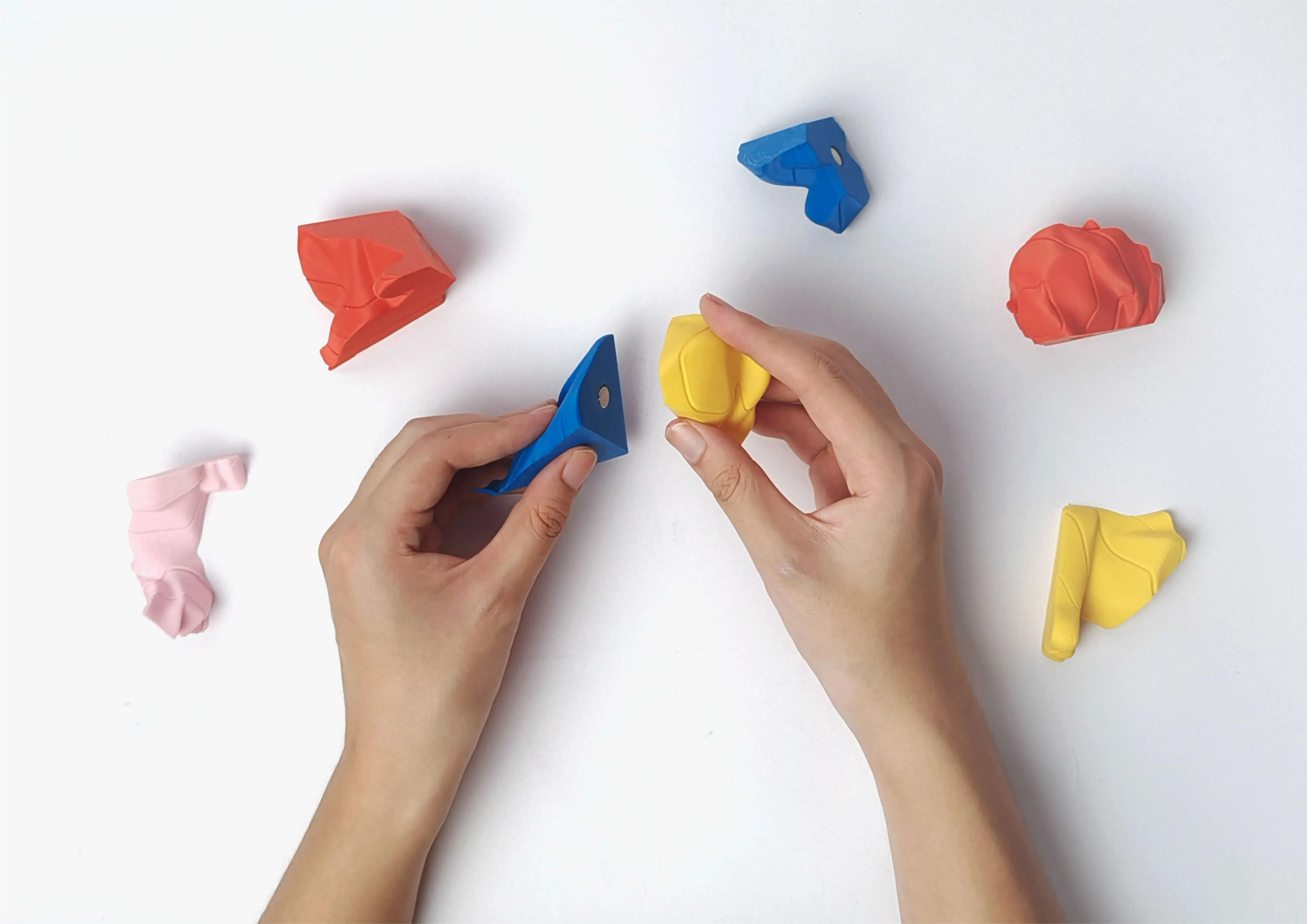
FlowBlock is a modular 3D-printed tactile toy for inclusive play. Parametric segmentation, magnetic joints, and adjustable textures let the same toy adapt to different ability levels, supporting both collaborative play and decorative display.
Haptic Zoo
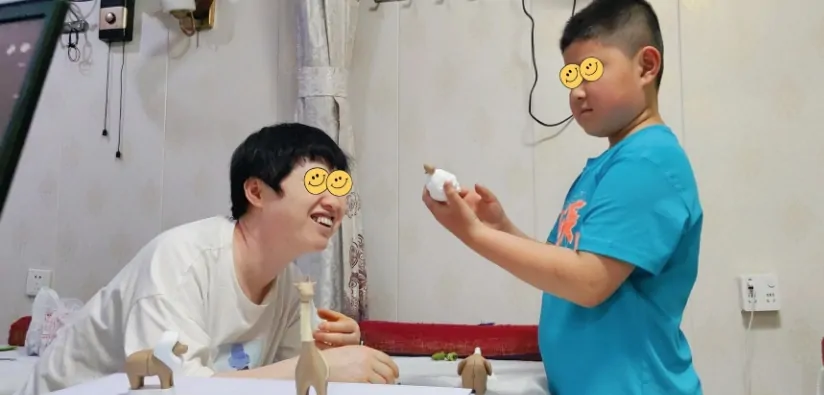
Visually impaired parents encounter significant barriers in parent-child interactions due to sensory asymmetry and insufficient assistive tools, leading to imbalanced roles and weakened emotional bonds. This paper presents Haptic Zoo, a modular multi-sensory toy system designed to bridge tactile-auditory collaboration between visually impaired parents and sighted children. Through semi-structured interviews with 20 families and user experiments involving 19 families, we identified key design goals: enhancing accessibility via tactile markers and audio feedback, integrating multi-sensory engagement, and fostering role-balanced collaboration. The prototype employs 3D-printed textured components, magnetic connections with audible clicks, and RFID-triggered audio rewards. Quantitative results from adapted usability scales (UPEQ) and behavioral coding (IOS) demonstrated high usability and emotional bonding. Qualitative findings revealed improved collaborative dynamics, mutual empowerment through sensory complementarity, and reduced frustration. Haptic Zoo transforms sensory asymmetry into a collaborative advantage, offering design guidelines for inclusive, role-based toys. This study contributes to inclusive HCI research by addressing the overlooked needs of visually impaired parents and offering design guidelines for role-based collaborative toys.

Obsidian-EagleBridge
Obsidian-EagleBridge is a plugin for Obsidian that allows you to connect to the Eagle. This plugin includes the following functionalities: Quick eagle attachment navigation in Obsidian , Tag synchronization, File viewing , Attachment management.
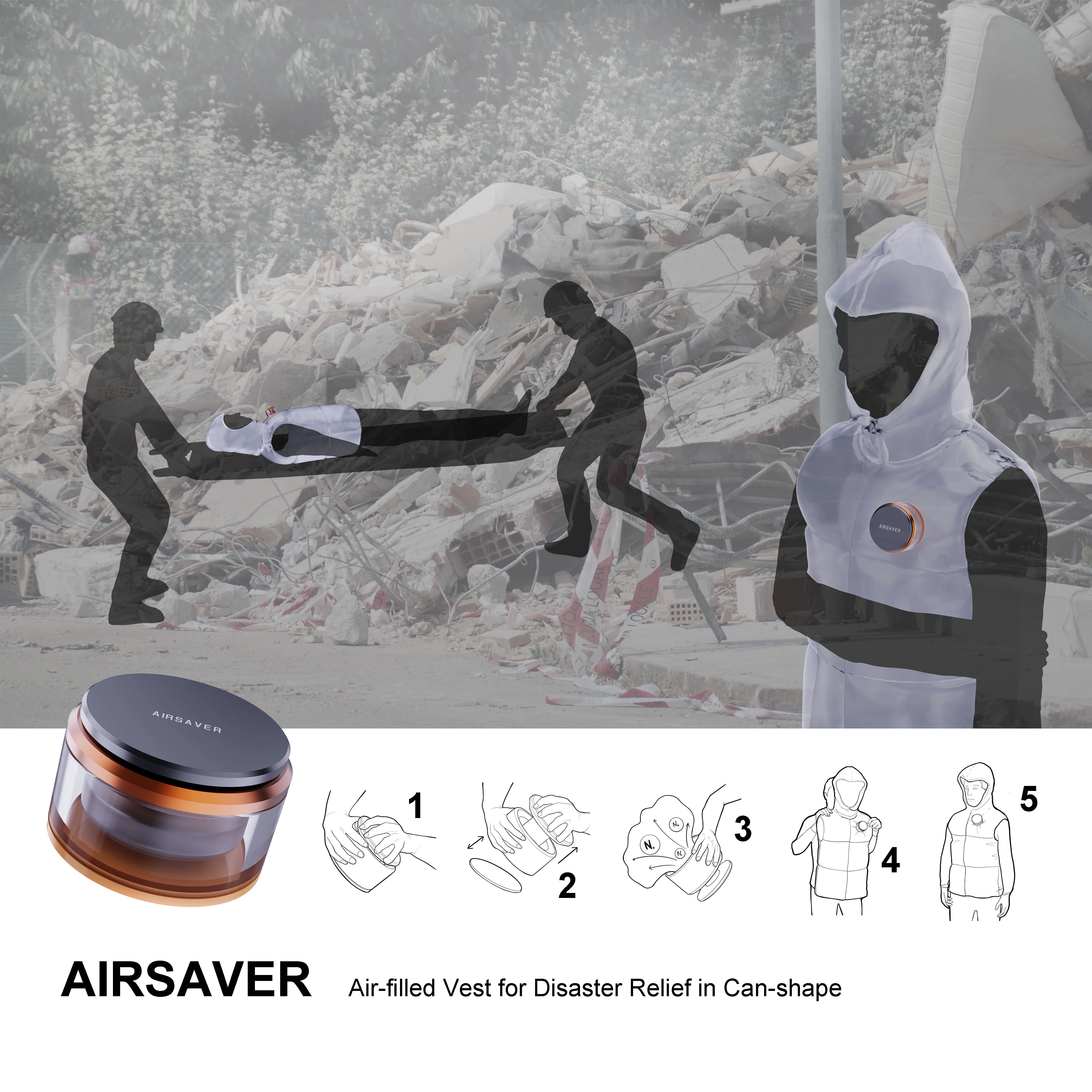
AIRSAVER
The AIRSAVER inflatable thermal insulation vest is designed for emergency rescue in cold environments. Lightweight and compact as a can, it is easily transportable. Pulling the lid triggers azide and catalyst to inflate the vest with nitrogen in seconds. The inner material insulates, while the outer material is windproof. AIRSAVER replaces bulky thermal clothing with an accessible solution for complex environments.
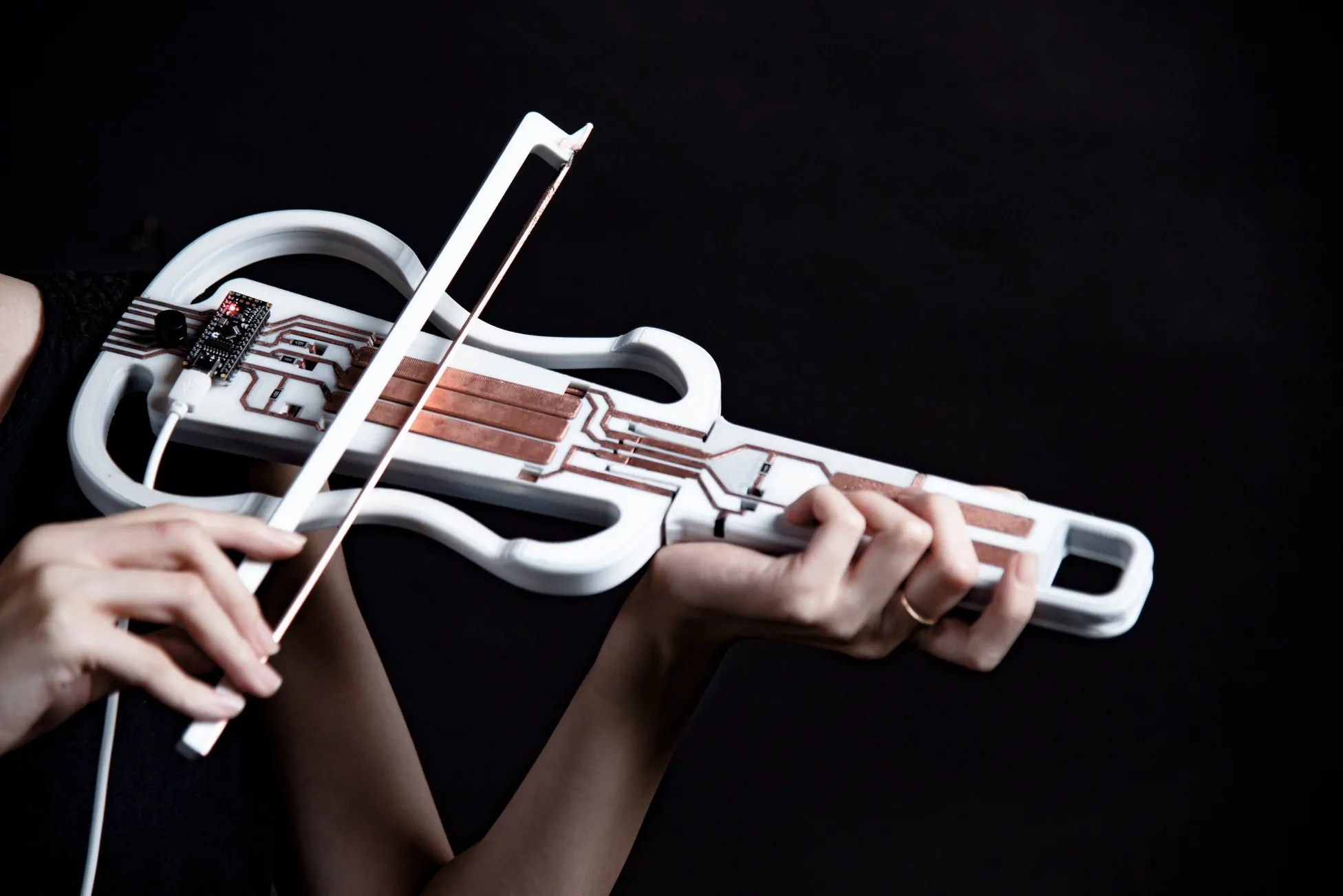
E-Joint
The advent of conductive thermoplastic flaments and multi-material 3D printing has made it feasible to create interactive 3D printed objects. Yet, challenges arise due to the volume constraints of desktop 3D printers and the high resistive characteristics of current conductive materials, making the fabrication of large-scale or highly conductive interactive objects can be daunting. We propose E-Joint, a novel fabrication pipeline for 3D printed objects utilizing mortise and tenon joint structures combined with a copper plating process. The segmented pieces and joint structures are customized in software along with integrated circuits. Then electroplate them for enhanced conductivity. We designed four distinct electrifed joint structures in the experiment and evaluated the practical feasibility and efectiveness of fabricating pipes. By constructing three applications with those structures, we verifed the usability of E-Joint in making large-scale interactive objects and showed the path to a more integrated future for manufacturing.
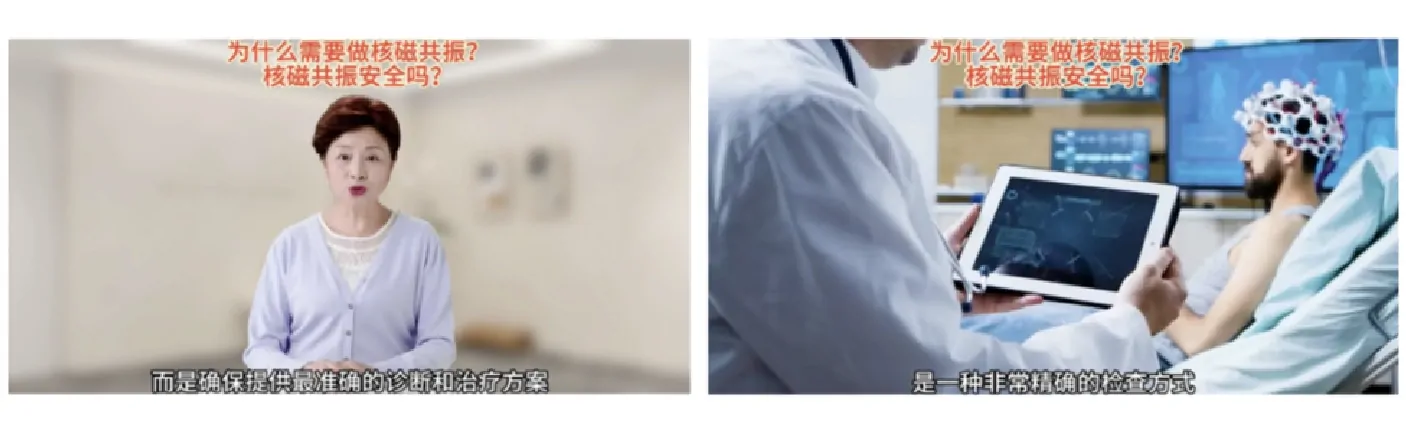
Elderly’s Medical Communication Issue
Medical professions' time is invaluable, especially in regions where public medical resources are scarce. They aim to convey substantial content in minimal time to assist a maximum number of patients. However, due to cognitive declines, personal experience, and insufficient medical knowledge, elderly patients often encounter challenges in swiftly comprehending the purpose for medical instructions, especially diagnostic plans. This miscommunication frequently results in feelings of reluctance, frustration, and mistrust towards proposed medical procedures, ultimately impacting the satisfaction of medical communication and execution of treatment plans adversely. In this research, we introduce an innovative approach where the task of explaining medical procedures is entrusted to short-form video generated with Large Language Models (LLMs). Based on preliminary data on patient preferences and medical history, LLM is applied in generating personalized explanatory video, featuring virtual representations of a doctor. The generation strictly follows a procedure of persona modeling, target generation, script generation, and video generation. With a N=20 study involving a simulated scenario where physicians suggest an MRI scan - a costly and sometimes unfamiliar procedure for many elderly patients - the proposed method show an obvious decline in the patient鈥檚 negative experience, including reluctance, frustration, and mistrust. This study pioneers the integration of Large Language Models in crafting personalized explanatory videos for elderly patients, enhancing medical comprehension and experience. Our method presents a novel convergence of Meta Human, NLP technology, and elderly鈥檚 patient-centered care, bridging communication gaps in healthcare scenarios.
Intercircuit
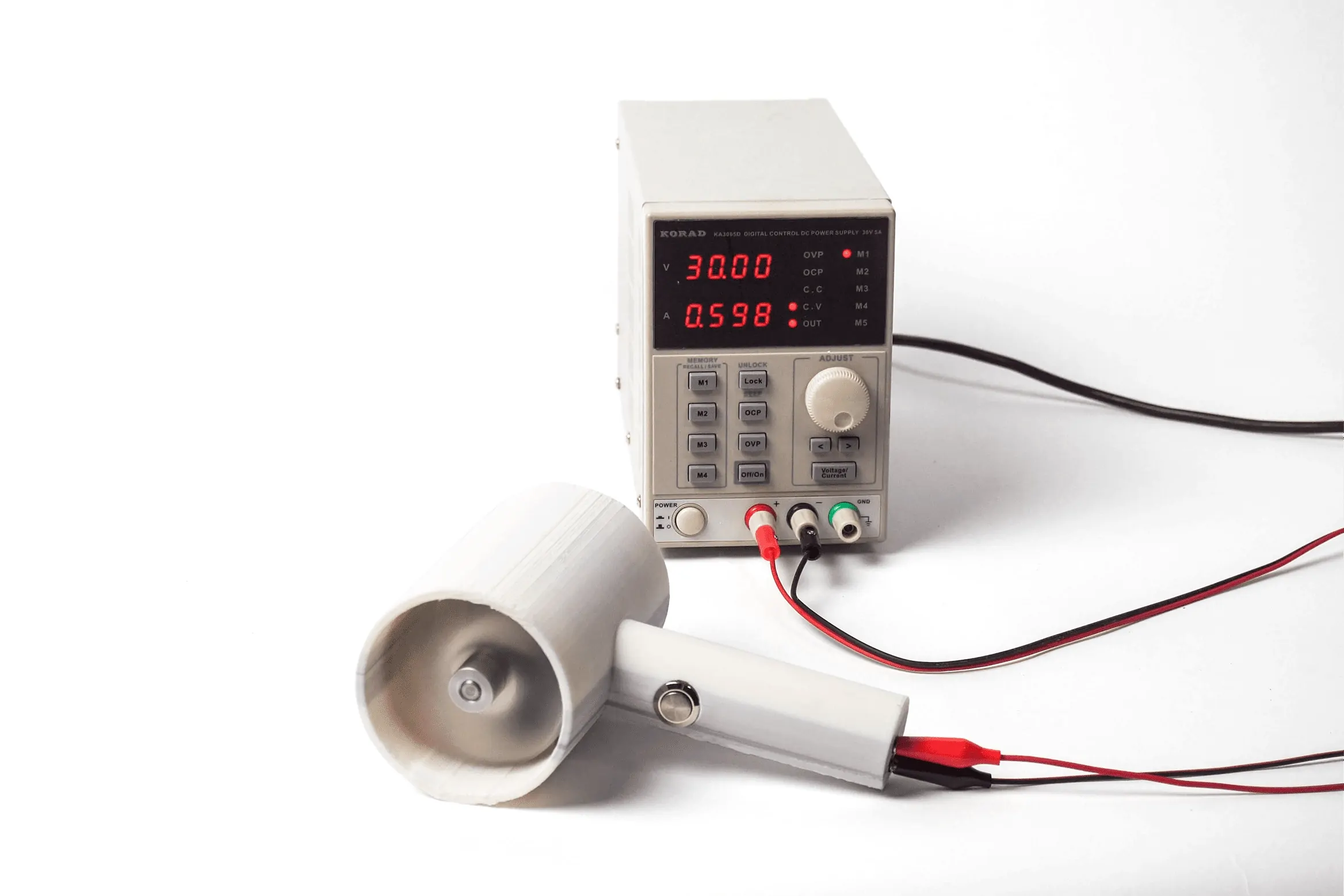
In Human-Computer Interaction, multi-material 3D printing is increasingly recognized for its capacity to produce conductive interactive objects. While various fabrication techniques have emerged in this domain, achieving the integration of highly conductive 3D structures within printed objects continues to pose a significant technical hurdle. Our study introduces Intercircuit, a novel integrated technique developed explicitly for fabricating highly conductive interactive objects. This method employs multi-material printing to form unified components along with their embedded structures of lower conductivity, enhancing conductivity through targeted plating. Distinct from traditional multi-material printing and surface conductivity augmentation methods, the Intercircuit method facilitates the creation of complex 3D circuitry while ensuring superior conductivity. Furthermore, this study introduces a supportive design tool aimed at aiding users in crafting conductive frameworks. Moreover, the practical application of this method is further elucidated through a series of case studies.
Lower Limb Rehabilitation System
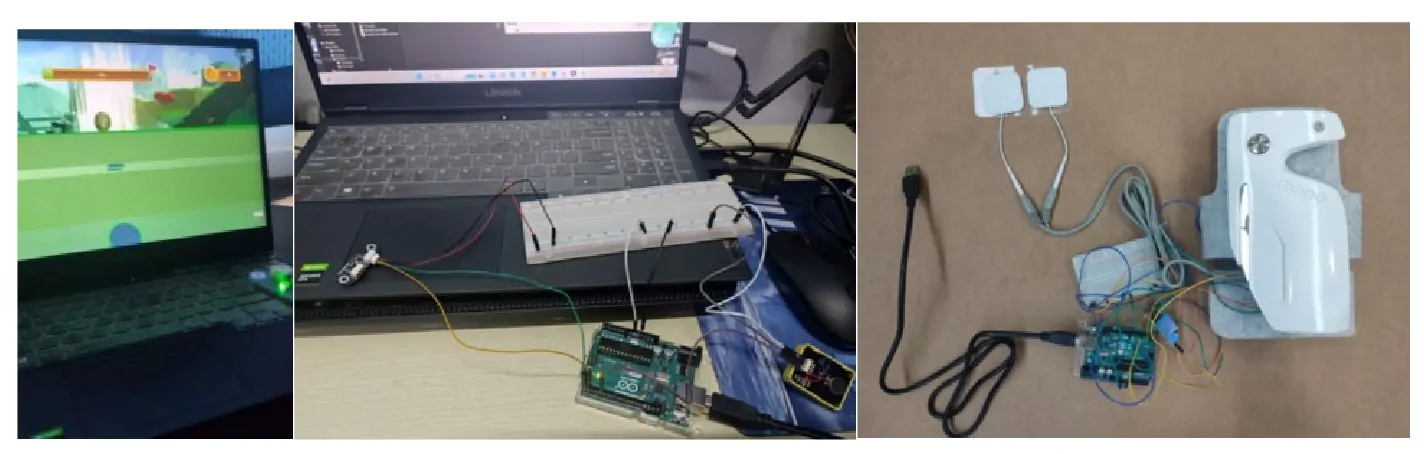
Stroke is a severe chronic disease that seriously threatens human health, placing an increasing burden on patients and families. Due to limited rehabilitation medical equipment and therapist, the majority of stroke patients, especially those in the post-acute phase, need long-term self-rehabilitation at home. Traditional homebased rehabilitation training methods are single-minded, providing insufficient sensory stimulation for patients, resulting in unsustainable exercise outcomes. Based on the above, this paper focuses on the design and research of a home-based rehabilitation training system and equipment for lower limb impairment patients, considering two design factors: virtual reality collaborative interaction and multisensory feedback. Firstly, we analyze the rehabilitation movements and rehabilitation needs of lower limb impairment patients. Secondly, we conduct research on the design of a virtual reality collaborative software and hardware rehabilitation interaction system. Thirdly, we complete the design and development of rehabilitation game software based on Unity. Fourthly, we develop rehabilitation wearable hardware equipment that incorporates motion recognition, multisensory feedback, and data synchronization software using sensor technology. The system meets the multi-stage rehabilitation training needs in a home setting. It can be used in conjunction with lower limb rehabilitation exoskeletons during the early stages of rehabilitation and can also be used independently during the middle and late stages of rehabilitation. This enhances the interactive immersion of training, and improves the motivation for rehabilitation.
Stress Management for Children
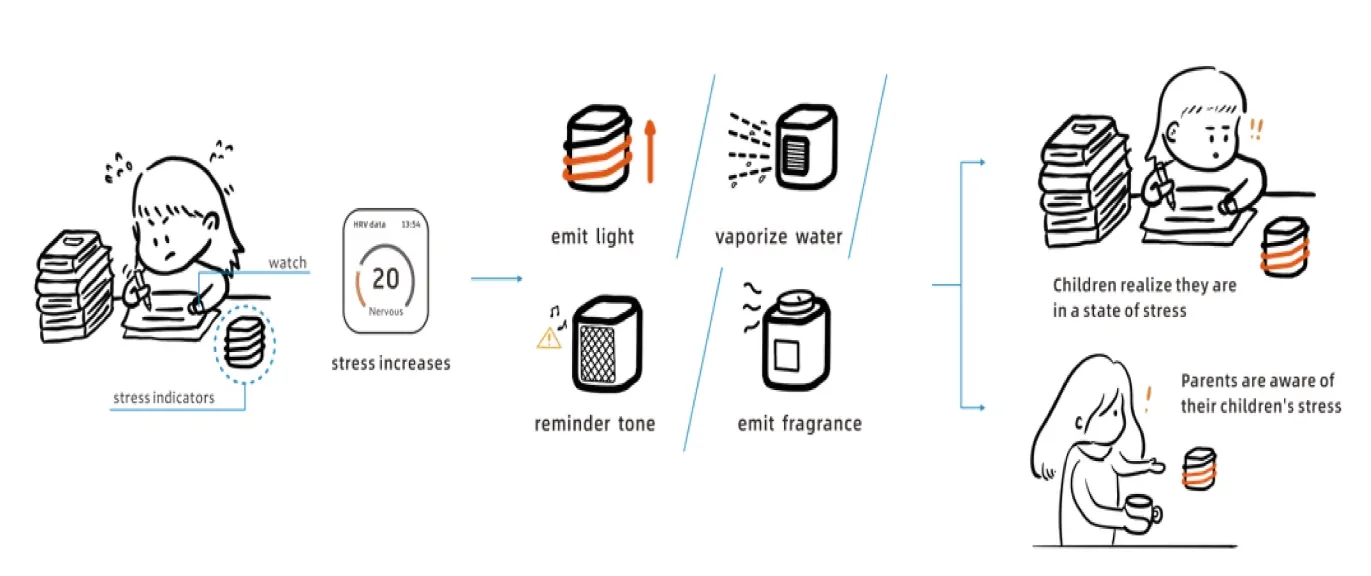
Elementary school students in China are facing learning stress and are at the stage of developing cognitive strategies for constructive stress management between the ages of 6-12. Cognitive flexibility is essential to cope with stress and anxiety in daily life, making stress management necessary. Self-awareness of stress in children can aid stress management, and visualizing stress can effectively enhance children's understanding of their own stress levels. In this paper, four different types of stress indicators were designed to characterize children's learning stress. The study explores how children and their parents perceive learning stress through these ambient indicators. The results suggest that children respond more positively to scent and vaporization during the learning process, while parents prefer light-based alerts. Both children's awareness of their own stress and parents' awareness of children's stress show potential to support stress regulation in learning contexts.
Invisible
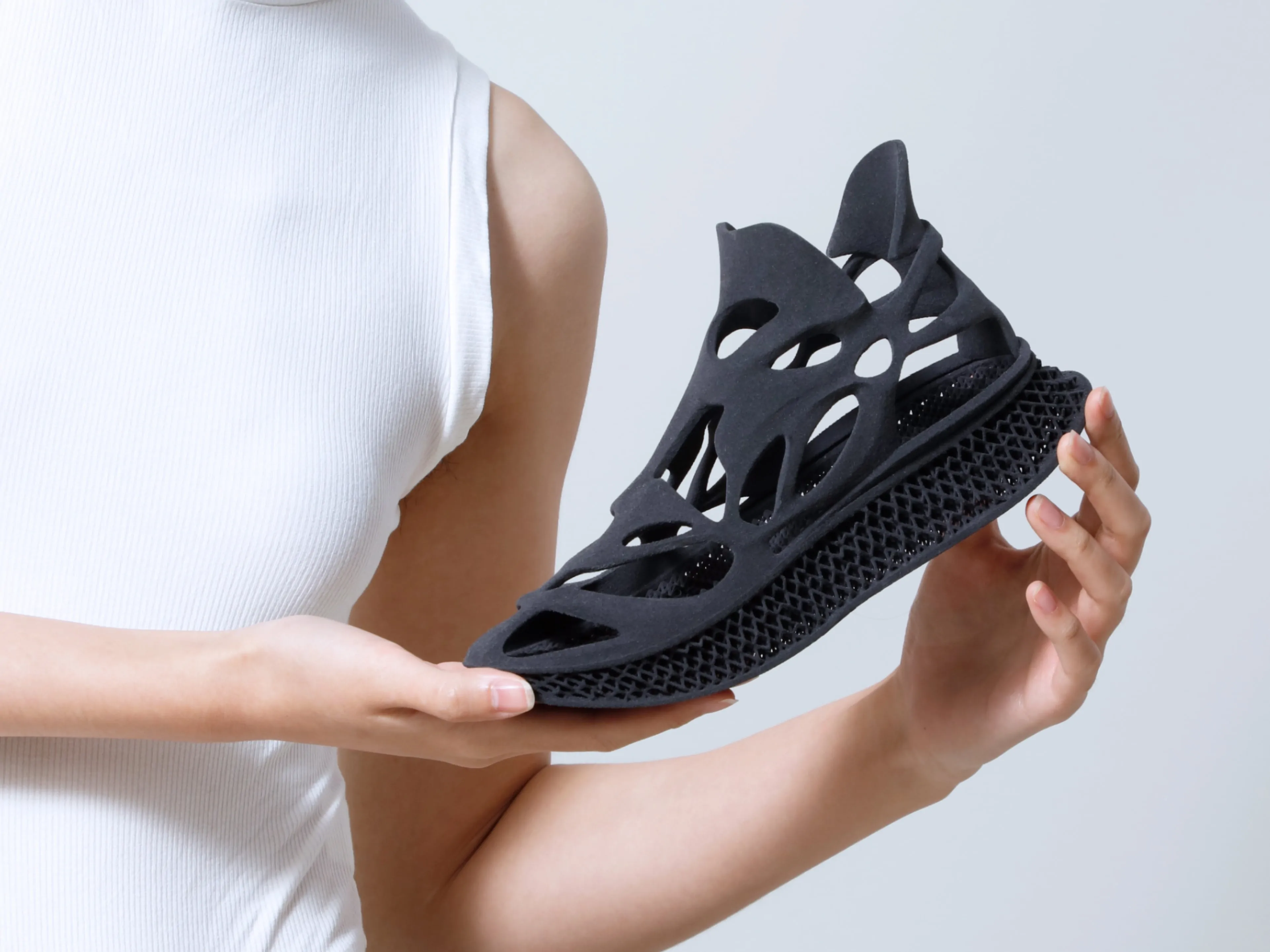
Invisible is a pressure-sensing design project that combines flexible parametric structures, conductive materials, and multi-material integrated 3D printing. Instead of attaching off-the-shelf sensors onto a finished product, we embed the sensing function directly into the parametric lattice itself, allowing the structure to simultaneously perform as form, support, and sensor. Compared with conventional rigid pressure sensors, this approach is softer, more customizable, and better integrated with product form and interaction.
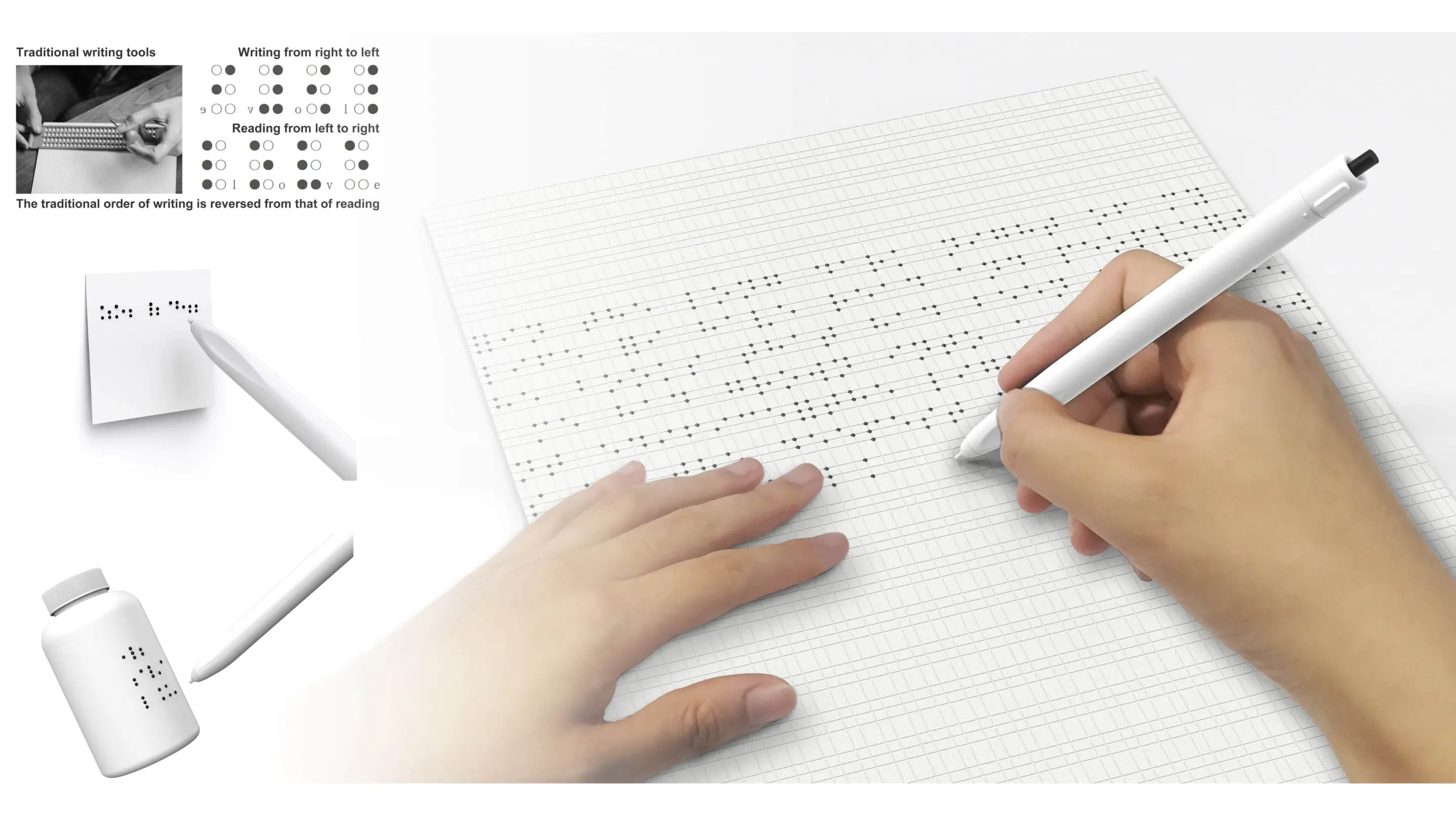
Touchable Pen
Touchable Pen is a writing instrument designed for the visually impaired. Raised Braille dots are printed when the nib touches any surface. It subverts traditional Braille writing, transforming subtractive manufacturing into additive manufacturing, and reverse writing into forward writing. The Touchable Pen uses low-cost technology to improve both the equity and efficiency of the writing experience for blind people.